What brought me to this work
h.
Louise Brooks
Job title
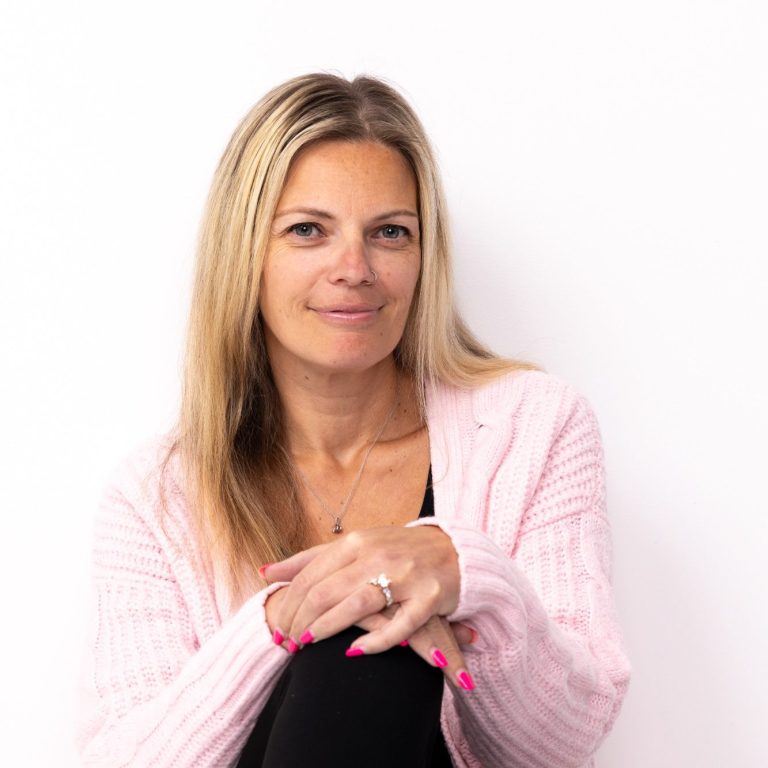
There is the professional path that brings many of us into this field - training, clinical experience, years within services - and then there is the personal path.
For me, it was both.
Alongside my work within the NHS and supporting children and families, I was also navigating my own lived experience of being part of a neurodivergent family. And that changed everything.
Like many parents, I initially found myself unsure, overwhelmed, and trying to make sense of what was happening. I knew child development. I understood autism and ADHD in theory. But living it and loving your own children through it is something entirely different.
One of the hardest chapters in our journey was experiencing extreme school distress.
What I came to understand - slowly and sometimes painfully - was that what looked like “behaviour” was actually overwhelm. What looked like refusal was often fear. What looked like defiance was distress.
Watching your child struggle in an environment that is supposed to nurture them can feel isolating. It can stir up guilt, doubt, and endless second-guessing. You question yourself constantly.
Are we doing enough?
Are we asking for too much?
Are we missing something?
Advocating did not come naturally to me at first.
Despite my professional background, I found it incredibly difficult to sit in meetings where my child’s needs were being debated. There is something deeply vulnerable about being both the parent and the voice in the room trying to explain your child’s internal world.
Advocacy often requires you to:
Challenge systems
Persist when you feel unheard
Hold your ground when you’re exhausted
Translate your child’s distress into language professionals will respond to
It can feel confrontational when you are naturally collaborative. It can feel exposing when you are already emotionally stretched.
And yet, over time, I learnt.
I learnt how to recognise masking.
I learnt how burnout presents in children.
I learnt that attendance is not the same as wellbeing.
I learnt that safety must come before expectations.
Most importantly, I learned to truly listen-not just with professional knowledge, but with attunement.
My lived experience doesn’t replace my professional training it deepens it.
It means I understand:
The fear parents feel when school calls again
The exhaustion of navigating systems
The grief that can sit alongside pride
The relief of finally feeling understood
It also means I hold a deep respect for how hard parents are working behind the scenes.
When families come to see me, they are not just bringing a child, they are bringing sleepless nights, advocacy meetings, emotional strain, and fierce love.
This work is not abstract to me. It is human. It is relational. It is deeply personal.
If you are navigating school distress, masking, burnout, or simply trying to understand your child more fully, I want you to know this:
You are not failing.
Your child is not broken.
Distress is communication.
Sometimes what families need most is not more strategies but space.
Space to breathe.
Space to be believed.
Space to find steadiness again.
That is what I offer.